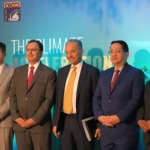
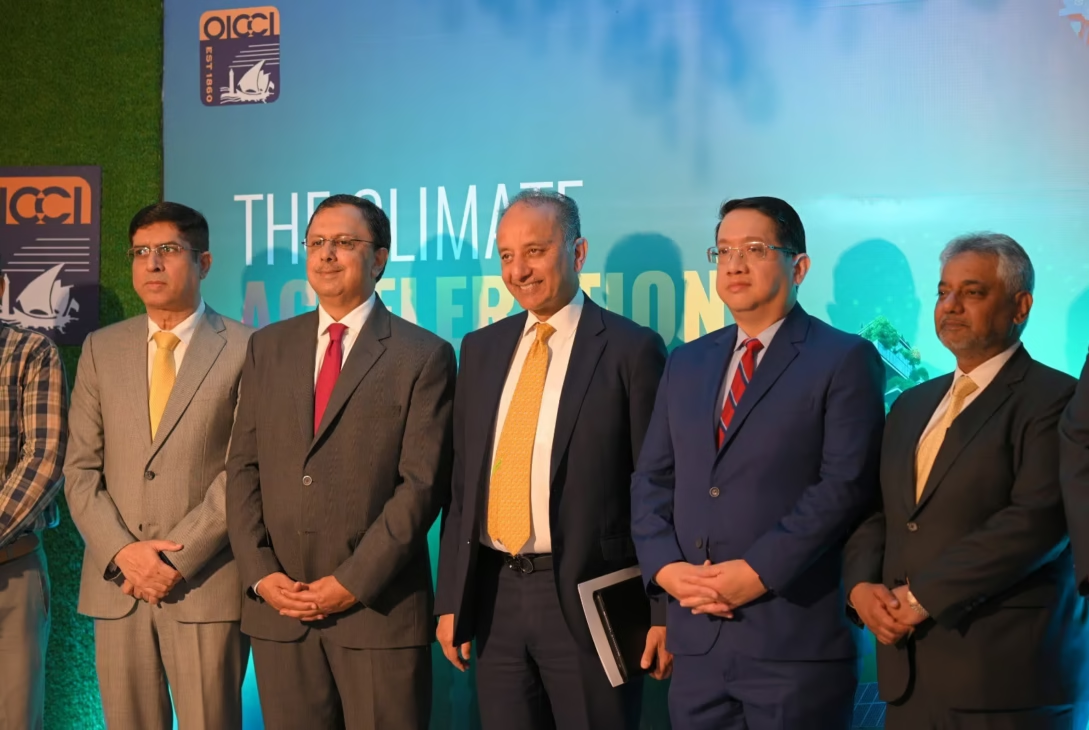
Pakistan is paying a heavy economic price for climate change, with recent estimates showing that climate-related disasters are eating into almost one per cent of the country’s gross domestic product (GDP) annually. This stark reality was highlighted by speakers at the 4th Pakistan Climate Conference, who stressed that urgent action is needed to translate climate policies into effective investment and resilience-building strategies.
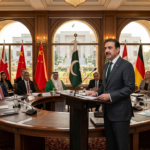
The conference was hosted by the Overseas Investors Chamber of Commerce & Industry (OICCI) and brought together policymakers, climate experts, development organisations, and business leaders. Despite Pakistan contributing less than one per cent to global greenhouse gas emissions, the country is facing severe repercussions from floods, heatwaves, melting glaciers, and related climate impacts.
Key Takeaways from the Conference
- Economic Losses from Climate Events: Speakers highlighted that extreme weather events — including record heatwaves, devastating floods, and rapid glacial melt — are significantly damaging infrastructure, livelihoods, and economic activity across Pakistan, resulting in annual losses close to 1 % of GDP.
- Urgent Investment Needs: Pakistan’s updated climate commitments under its latest Nationally Determined Contributions (NDC 3.0) aim to cut emissions by 50 % by 2035. However, achieving this transition will require hundreds of billions of dollars in climate finance.
- Climate Finance & Private Sector Role: Conference participants emphasised that funding should be sustainable, grant-based, and rooted in climate justice — not just loans — with the private sector playing a crucial role in financing and technical innovation.
- Government and Global Support: Officials noted progress on climate frameworks like the National Adaptation Plan and Climate Prosperity Plan, and highlighted international cooperation, including multi-billion-dollar initiatives, aimed at supporting Pakistan’s climate resilience efforts.
Experts at the forum agreed that climate change can no longer be treated only as an environmental issue; it must be integrated into Pakistan’s economic planning and development agenda to protect both people and the economy from future climate shocks.