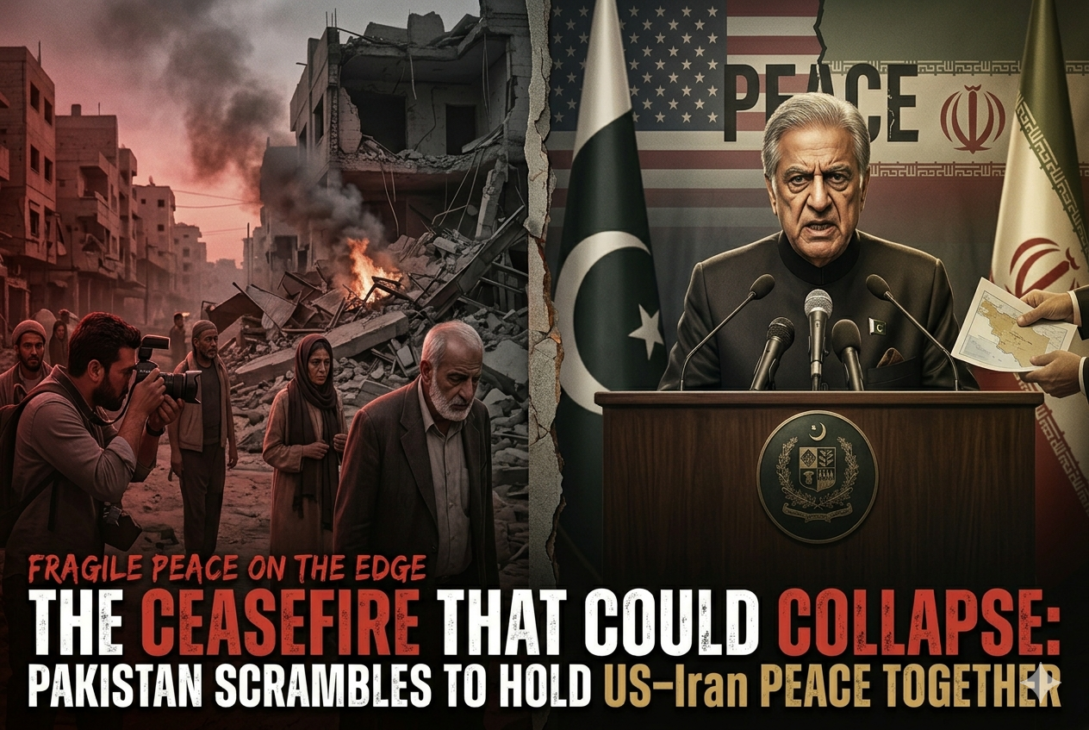
ISLAMABAD — The fragile ceasefire that Pakistan helped engineer between Washington and Tehran is showing alarming signs of fracture. US President Trump on Sunday called Iran’s latest counterproposal — transmitted through Pakistani mediators — ‘garbage,’ ordered a new military mission in the Strait of Hormuz, and signalled that his patience with the diplomatic track was not unlimited. In Islamabad, officials who spent weeks negotiating the April 8 agreement watched the news with mounting concern, aware that the architecture they built could collapse within days.
The sequence of events that led to this moment began promisingly. Pakistan’s role in brokering the April ceasefire — which ended six weeks of devastating US-Israeli strikes on Iranian military and nuclear infrastructure — was widely praised as a masterclass in middle-power diplomacy. Islamabad had hosted direct talks between American and Iranian envoys on April 11–12, providing the secure, neutral venue that neither side could offer the other. Field Marshal Asim Munir’s personal relationship with Trump, cultivated during their White House lunch last June, had given Pakistan the kind of backdoor access that diplomacy often requires.
“Iran conveyed its response via Pakistani mediators. Tehran wants to end hostilities — but is leaving the contentious matters for later.” — Senior Pakistani diplomatic source, May 11, 2026
What Tehran Wants — and What Washington Will Accept
The fundamental tension is structural and has not changed since the conflict began. Iran wants guarantees against future strikes on its nuclear infrastructure and a credible roadmap toward sanctions relief. The United States — under pressure from both domestic hawks and its Israeli ally — is unwilling to provide either without Iranian commitments to permanently scale back its nuclear programme that Tehran regards as sovereignty-destroying. The 15-point ceasefire framework that Pakistan helped draft papered over these differences rather than resolving them.
Iran’s latest counterproposal attempts to sequence the process — proposing an extended ceasefire during which both sides address ‘less contentious’ issues first, leaving the nuclear question and sanctions relief for a later, more formal negotiation. Trump’s characterisation of this as ‘garbage’ suggests the White House views this as Iranian delay tactics rather than genuine engagement.
THE STAKES FOR PAKISTAN
- Pakistan’s fuel import bill: Rose from $300m to $800m due to Gulf disruption
- Strait of Hormuz: ~20% of global oil trade — currently partially disrupted
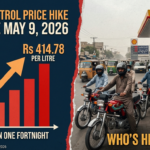
- Petrol at pump (Pakistan): Rs 414.78/litre — directly linked to Gulf crisis
- Pakistan’s mediation role: Hosted US–Iran talks April 11–12; Iran conveys messages via Islamabad
- Risk if ceasefire collapses: New strikes, oil price spike, economic crisis escalation
Pakistan’s Economic Exposure Is Enormous
For Pakistan, this is not abstract geopolitics. The connection between what happens in the Strait of Hormuz and what a family in Faisalabad pays for petrol, gas, and food is direct and brutal. Pakistan’s fuel import bill has more than doubled since the Gulf conflict began, contributing directly to the latest round of price hikes that have sent petrol to Rs414 per litre. Even if the Strait opens today, it will take months for global energy markets to rebalance. For Pakistan’s 240 million citizens, those months matter enormously.
There is also the question of remittances. Pakistan receives billions of dollars annually from workers in Gulf states — Saudi Arabia, the UAE, Qatar, Bahrain. A re-escalation of the Iran conflict that destabilises the broader Gulf region could disrupt these flows at precisely the moment Pakistan’s economy is most dependent on them.
Pakistan’s Diplomatic Leverage — and Its Limits
Pakistan’s position as mediator gives it influence but not control. Islamabad can convey messages, host talks, and propose frameworks — but it cannot compel Washington or Tehran to accept terms they regard as against their fundamental interests. Pakistani officials are attempting to extend the ceasefire while a more durable framework is negotiated, arguing that any period without active hostilities is preferable to renewed conflict. Trump has acknowledged acting on Pakistan’s advice in the past, including extending the ceasefire period at Islamabad’s urging.
“Alignments are changing in the Middle East. Pakistan has positioned itself as indispensable. But indispensability is not the same as influence.” — Dawn Editorial Board, May 11, 2026
The Next 48 Hours Are Critical
Senior Pakistani diplomatic sources said Monday that a flurry of phone calls between Islamabad, Washington, and Tehran was underway behind the scenes, aimed at finding language that could bridge the gap between the two sides’ positions. Deputy Prime Minister Ishaq Dar is expected to speak directly with the US Secretary of State and Iranian Foreign Minister Araghchi within the next day.
What is certain is that the stakes could not be higher. A return to active hostilities in the Gulf would send oil prices surging, destabilise Pakistan’s already strained economy, and potentially draw regional powers into a wider confrontation. Pakistan built its moment of diplomatic glory on the scaffolding of this ceasefire. If the scaffold falls, so does the monument.