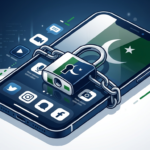
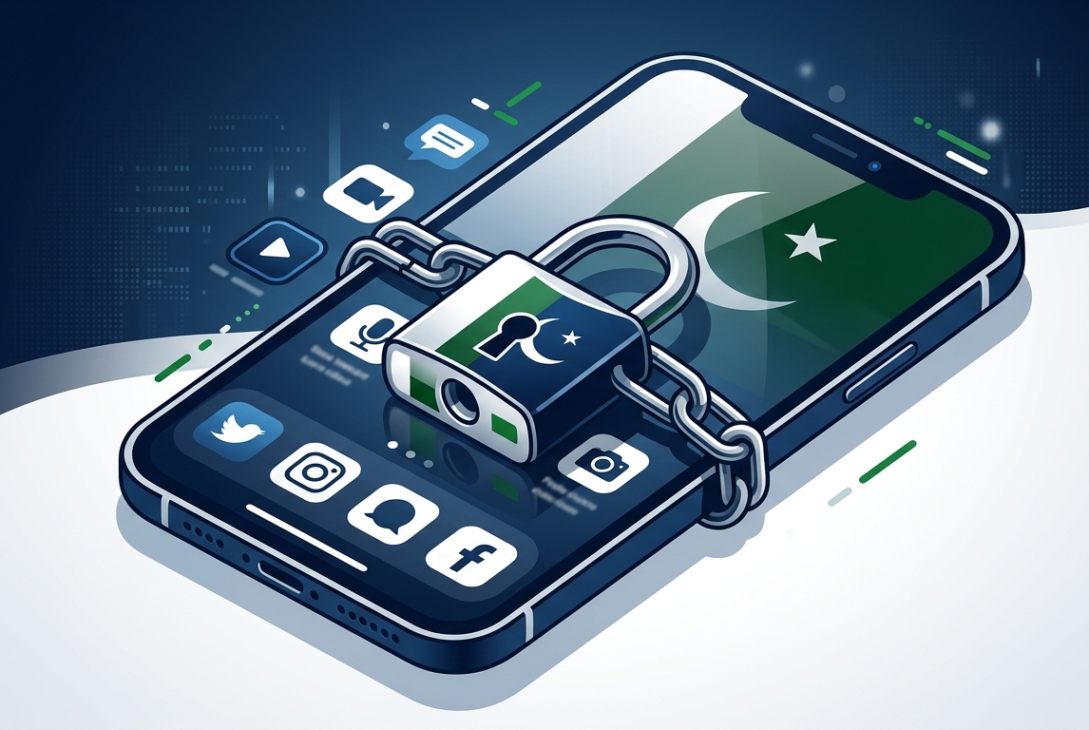
ISLAMABAD — Pakistan is preparing to reshape the country’s digital landscape with a sweeping set of regulations that would expose social media giants, including TikTok, Facebook, and YouTube, to fines of up to Rs33.9 million for violations of local content and data governance rules. The legislation, which has been quietly advancing through the regulatory pipeline, has alarmed digital rights advocates, energised government supporters, and triggered intense lobbying from the platforms themselves.
The laws arrive against a backdrop of acute tension between the Pakistani state and social media companies — a relationship defined by periodic platform bans, VPN-fuelled workarounds by ordinary users, and a persistent government complaint that foreign tech companies apply different standards in Pakistan than they do in Western markets.
What the Law Says
The proposed framework would require social media platforms operating in Pakistan to establish local offices, appoint designated compliance officers, and respond to government takedown requests within defined timeframes — failing which fines escalate on a sliding scale. Platforms that repeatedly refuse to comply with orders to remove content deemed harmful or illegal could face outright blocking, which Pakistani authorities have demonstrated both the willingness and the technical capability to execute.
The legislation also contains provisions around data localisation — requiring that data on Pakistani users be stored on servers within the country — a demand that has proven controversial globally and that the major platforms have resisted on both commercial and civil liberties grounds.
Why the Government Says It Is Necessary
Officials point to a pattern of what they describe as selective enforcement by global platforms: content removed swiftly when reported in European languages, but persisting for weeks or months when flagged in Urdu or regional Pakistani tongues. They also cite the spread of misinformation — a fake notification claiming a weekend lockdown circulated widely on WhatsApp this week, causing localised panic — as evidence that unregulated platforms pose genuine public order risks.
Information Minister Attaullah Tarar told reporters that Pakistan is simply asserting the same sovereign regulatory rights that the European Union, India, and dozens of other democracies have exercised. He argued that companies generating substantial commercial revenues from Pakistani users have a reciprocal obligation to operate within Pakistani law.
“We are not asking for anything more than what France, Germany, or Singapore already require. Pakistan deserves the same digital sovereignty.” — Information Minister Attaullah Tarar
Critics Sound the Alarm
Digital rights organisations and press freedom advocates are unconvinced. Bytes for All Pakistan, a leading advocacy group, argues that the legislation contains provisions broad enough to criminalise legitimate dissent and political commentary. They point in particular to clauses around content that is ‘harmful to national security’ — a term they say has historically been interpreted expansively to include criticism of the military, the judiciary, or government policy.
The PCB’s recent directive barring cricketers from posting on social media without prior board approval has been cited by critics as a microcosm of the broader regulatory instinct at work — one that defaults to control over transparency, and that struggles to distinguish between genuinely harmful content and uncomfortable truths.
The Platforms’ Response
TikTok, Facebook, and YouTube have each submitted formal objections to the proposed rules through both official channels and industry associations. In their submissions, they argue that the fines are disproportionate, that data localisation requirements are technically and commercially impractical, and that the takedown timelines would require them to make content decisions faster than due process allows.
Privately, executives at two of the platforms told this correspondent that they are prepared to engage seriously with reasonable regulation but will not accept a framework that, in their view, would make Pakistan functionally ungovernable for a global social media company.
What It Means for Ordinary Users
For the 71 million Pakistanis who access the internet — a number growing by millions every year — the regulations represent a pivotal moment. If implemented well, they could mean better protection from harassment, scams, and misinformation. If implemented poorly, they could mean a more restricted, surveilled, and politically sanitised online environment.
The government has committed to a public consultation before the laws are finalised. Whether that process will be meaningful, or whether the legislation will be rushed through in the name of national security, may be the most important digital policy question Pakistan faces in 2026.